窗体顶端
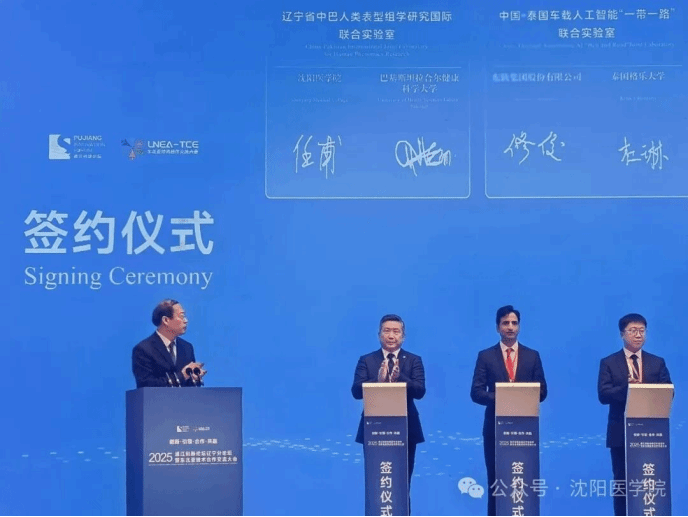
On September 26, at the Liaoning Sub-forum of the 2025 Pujiang Innovation Forum, Shenyang Medical University and the University of Health Sciences Lahore (UHS Lahore) officially signed the cooperation agreement for the establishment of the 'Liaoning Sino-Pakistan International Joint Laboratory for Human Phenomics Research.' This marks a new pattern and elevated level of Shenyang Medical University's global engagement, demonstrating its commitment to open collaboration and mutual benefit in the context of worldwide attention to technological innovation.
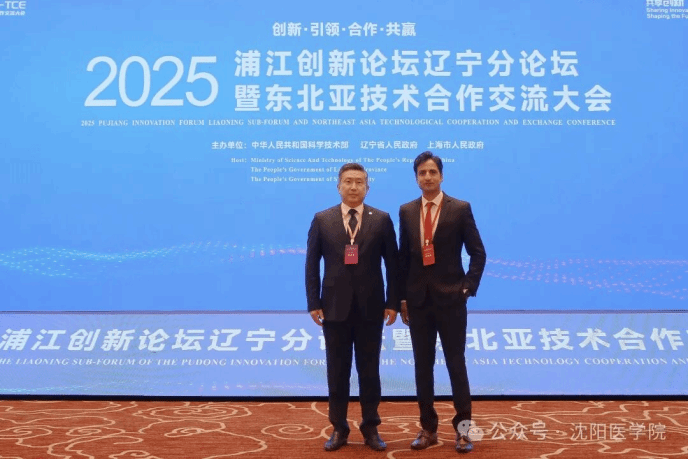
"China-Pakistan International Joint Laboratory for Human Phenomics" is a collaborative project initiated by Shenyang Medical University in partnership with the Key Laboratory of Population Specificity and Phenomics of Major Diseases in Liaoning Province and the Department of Forensic Medicine at the University of Health Sciences (UHS) in Lahore, Pakistan.
The Department of Forensic Medicine at UHS is a pivotal force in forensic education and research in South Asia, offering master's and doctoral programs in Forensic Medicine and Toxicology, as well as Forensic Science. The department is headed by Dr. Allah Rakha, a tenured professor at UHS and doctoral advisor, whose research focuses on forensic genetics, forensic toxicology, and molecular forensics, and who has led multiple national and international collaborative projects. In terms of laboratory infrastructure, the department is equipped with experimental platforms for forensic serology, forensic toxicology, and simulated crime scene reconstruction, supporting basic research, forensic identification, and judicial practice. The faculty includes several assistant professors and lecturers, collectively advancing the integration of research and teaching. The department has long emphasized international collaboration, establishing academic alliances with research institutions worldwide and actively promoting cross-border cooperation and the translation of research outcomes in forensic medicine for public health, forensic identification, and disease prevention and control.
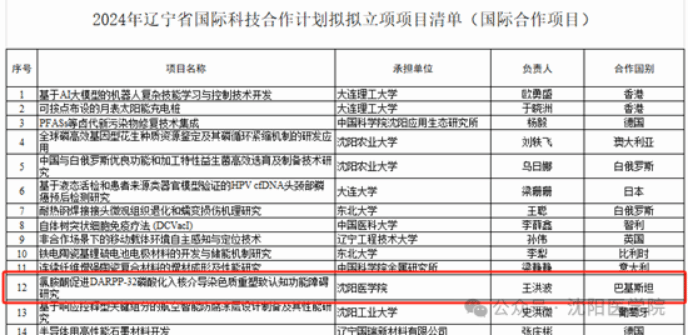
The Key Laboratory of Population-Specific and Major Disease Phenomics in Liaoning Province focuses on six research directions: craniofacial phenotypes, fingerprint phenotypes, tumor phenotypes, phenotypes of cognitive dysfunction disorders, phenotypes of orthopedic diseases, and bioinformatics analysis. It is dedicated to exploring the molecular mechanisms of diseases, population-specific characteristics, and clinical prevention and control strategies, thereby establishing a multidisciplinary research innovation system. From its inception, Professor Ren Fu proposed the development strategy of "relying on major scientific research projects to promote the construction of international collaborative platforms." In 2023, Associate Professor Wang Hongbo, the principal investigator of the phenotypes of cognitive dysfunction disorders team, collaborated with the research team from the Department of Forensic Medicine at UHS in Pakistan, co-publishing an SCI paper. In 2024, Associate Professor Wang Hongbo, in collaboration with the Department of Forensic Medicine at UHS, successfully applied for and obtained approval for the International Science and Technology Cooperation Project from the Liaoning Provincial Department of Science and Technology, marking the official launch of Sino-Pakistani scientific research cooperation.
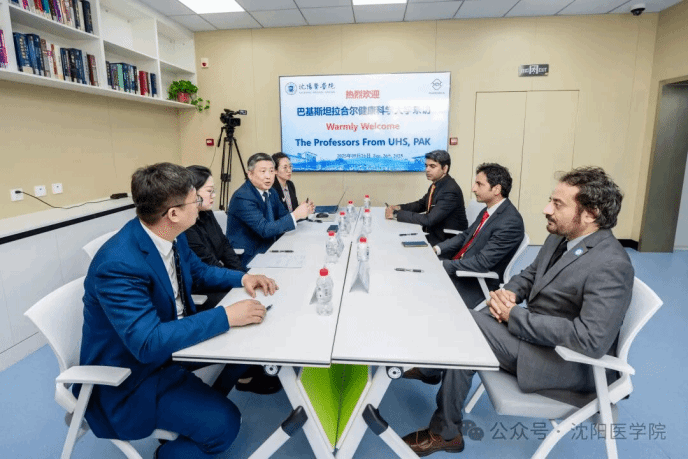
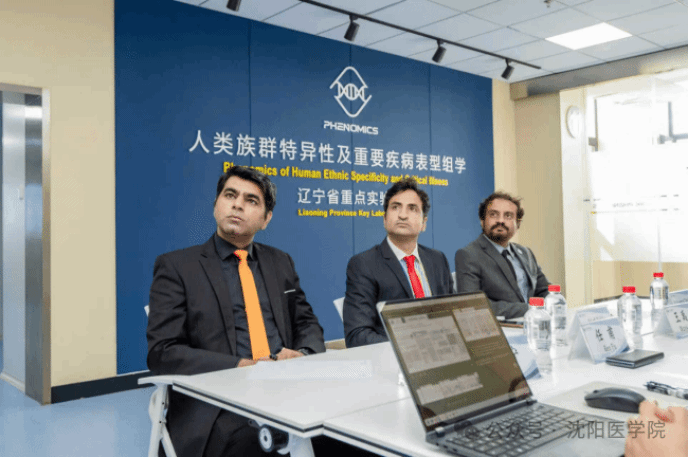
The university invited Dr. Allah Rakha, Director of the Department of Forensic Medicine at UHS, along with two colleagues, to visit the Key Laboratory of Human Population Specificity and Phenomics of Major Diseases in Liaoning Province. The delegation gained an in-depth understanding of the laboratory's comprehensive capabilities in scientific research equipment, technological platforms, talent team development, and the transformation of research achievements. Both parties engaged in extensive discussions on topics such as the establishment of an international joint laboratory, collaboration on major research projects, the cultivation of young scholars, and data and platform sharing. This led to the formation of a clear, well-structured, and sustainable cooperation framework.
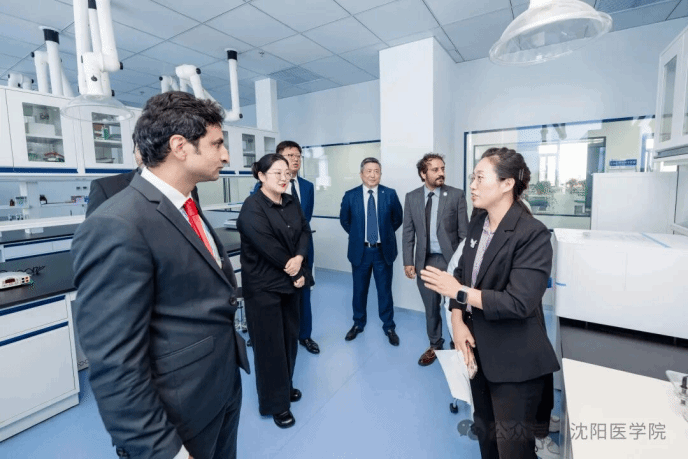
This field visit demonstrated strong alignment between the two parties in research interests, fields, technical approaches, and future plans. It deepened mutual trust, ensuring the collaboration not only has a solid academic foundation but also lays a solid groundwork for joint platform development. This transformation has turned the joint laboratory initiative from concept to practice, and from consensus to action.
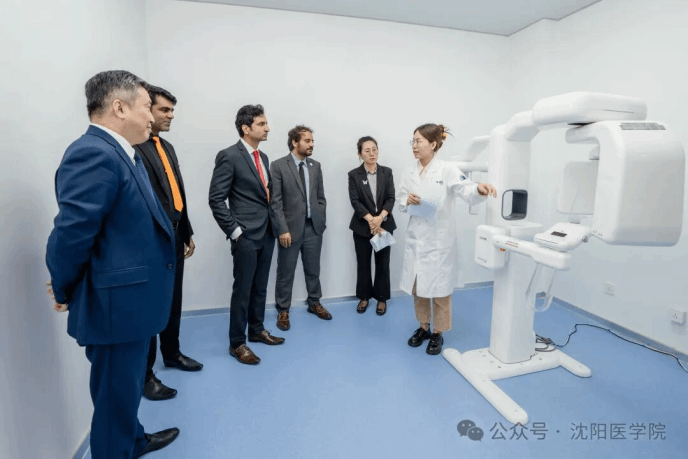
China-Pakistan International Joint Laboratory for Human Phenomics (in preparation) will fully leverage the scientific research resources and disciplinary advantages of both sides, with interdisciplinary collaboration at its core. It will pool the research strengths of both parties in phenomics, human genetics, molecular forensic medicine, and other fields, focusing on cutting-edge areas such as human craniofacial phenomics, human fingerprint phenomics, and major disease phenomics. The laboratory will innovate cooperation models, establish collaborative mechanisms, and jointly conduct multicenter, interdisciplinary research. It aims to build a cross-regional, cross-population phenomics big data resource library, promote the international development of precision medicine and population health research, and create a high-level scientific research cooperation platform integrating basic research, technology transfer, international exchange, and talent cultivation. This will accelerate technology transfer, empower public health, and facilitate the application of research findings in early disease diagnosis, public health policy formulation, and clinical prevention and control practices. The platform will also develop replicable and scalable regional disease prevention and health management models to serve the health needs of populations along the Belt and Road and in Asia. It will provide solutions for human population-specific phenomics and major disease phenomics research in Asia, contributing Liaoning's wisdom and China's strength to the global cause of human health.